Formwork scaffolding centering are three essential temporary structures used in construction to support fresh concrete, provide working platforms and ensure accurate alignment of RCC elements. These systems play a critical role in the safety, quality and speed of construction work, making them fundamental knowledge for every civil engineer. Understanding their types, components, erection methods and safety requirements helps prevent failures, improve surface finish and maintain structural accuracy on site.
1. What is Formwork?
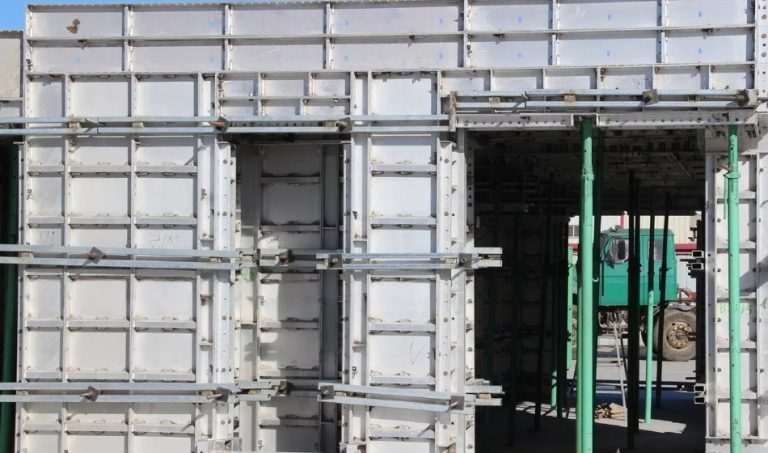
Formwork is a temporary mould used to hold freshly placed concrete in shape until it gains sufficient strength.
Below are general-purpose images representing formwork and shuttering systems used in construction:

Purpose of Formwork:
- Supports concrete until hardened
- Maintains shape, size and alignment
- Provides uniform surface finish
- Controls leakage
- Enables vertical and horizontal elements to be cast properly
Essential Requirements:
- Strong enough to carry load
- Accurate in dimensions
- Easy to assemble and dismantle
- Economical and reusable
- Stable during vibration
2. Types of Formwork Systems
2.1 Timber Formwork
- Traditional, easy to fabricate
- Suitable for small works
- Low initial cost but less durable
2.2 Plywood Formwork
- Good surface finish
- Higher repetition than timber
- Common for slabs and beams
2.3 Steel Formwork
- High durability
- Excellent finish
- Used for repetitive works (tunnels, bridges, columns)
2.4 Aluminium Formwork (MIVAN)
- Lightweight, fast construction
- Used for mass housing and high-rise buildings
- Excellent dimensional accuracy
2.5 Plastic Formwork
- Lightweight and modular
- Good for small RCC works
2.6 System Formwork (Modular Formwork)
- Pre-engineered components
- Used for high-rise, bridges, infrastructure
3. Components of Formwork


Typical parts include:
- Sheeting / panels
- Battens
- Joists
- Stringers
- Props
- Soldiers
- Wedges
- Bracings
- Tie rods
- Clamps
Each component plays a specific structural or alignment role.
4. Centering in Construction (For Slabs & Beams)
Centering refers to the temporary support work for slabs and beams.
Components:
- Props / jack supports
- Steel plates
- Timber posts
- Ledgers
- Joists
- Spans
Functions:
- Carry the weight of fresh concrete
- Maintain correct levels
- Prevent deflection or sag
Centering is the backbone of RCC slab casting.
5. Scaffolding in Construction
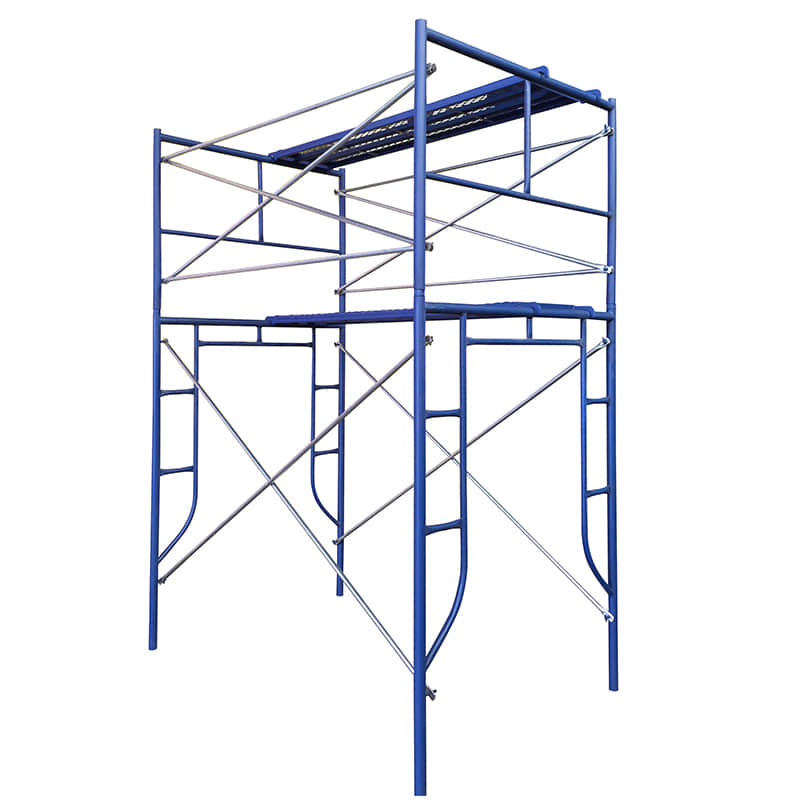
Scaffolding provides temporary working platforms for workers during construction, plastering, masonry and finishing.
Below are generic safe-to-use scaffolding visuals:

Essential Functions:
- Provide safe access
- Support tools and materials
- Enable work at heights
Types of Scaffolding
5.1 Single Scaffolding
Used mainly in brick masonry.
5.2 Double Scaffolding
Used for stone masonry.
5.3 Cantilever Scaffolding
Supported by needles; used where ground cannot be used.
5.4 Suspended Scaffolding
Platforms suspended from roofs—mostly used in multi-story buildings.
5.5 Steel Tubular Scaffolding
Widely used, safe, strong and durable.
5.6 System/Modular Scaffolding
Fast, safe and ideal for commercial projects.
6. Loads Acting on Formwork, Scaffolding & Centering
Load types include:
- Self-weight of formwork
- Weight of wet concrete
- Construction loads (workers, materials)
- Vibration load from compaction
- Environmental loads (wind)
Understanding these ensures safe design and erection.
7. Formwork Design Considerations
To ensure safety and quality:
- Allowable deflection limits must be maintained
- Supports must be placed at correct spacing
- Form joints must be tight to prevent leakage
- Props must be braced to avoid buckling
- Verticality and alignment must be checked
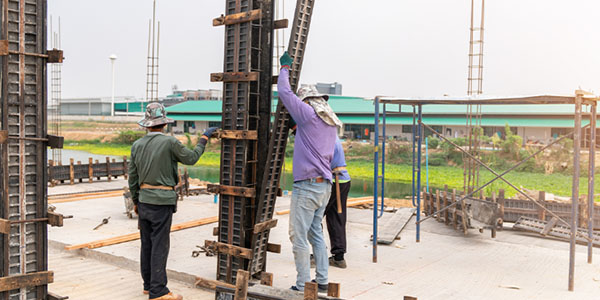
8. Erection Procedure (Step-by-Step)

Step 1 — Inspect materials
Check panels, props, rods, clamps.
Step 2 — Install centering supports
Place props at required spacing and plumb them.
Step 3 — Fix primary members
Ledgers and beams are placed first.
Step 4 — Fix sheeting panels
Formwork sheets are aligned and fixed.
Step 5 — Provide bracing and tie supports
Ensures lateral stability.
Step 6 — Check alignment
Levels, verticality, slopes and plumb line.
Step 7 — Apply form oil
Prevents concrete from sticking.
9. Removal of Formwork (Stripping Time)
As per IS 456:
| Structural Element | Stripping Time |
|---|---|
| Walls, columns | 24–48 hours |
| Slabs (props left) | 3 days |
| Beams (props left) | 7 days |
| Full removal | 14–21 days depending on span |
Never remove formwork early—it leads to cracks and deflection.
10. Safety Practices for Formwork & Scaffolding
Major risks include collapse, falling objects, slips and unstable platforms.
Safety Guidelines:
- Use only tested and approved materials
- Ensure tight bracing
- Use toe boards on scaffolding
- Inspect platforms daily
- Do not overload supports
- Ensure proper access ladders
- Workers must use helmets, shoes and harnesses
- Never work on damaged formwork
Safety failures can cause severe accidents.
11. Advantages & Limitations
Advantages:
- Enables accurate shaping of RCC
- Provides high-quality surface finish
- Supports vertical and horizontal elements safely
- Modular formwork speeds up construction
Limitations:
- High initial cost
- Skilled labour required
- Improper installation leads to defects or collapse
12. Common Mistakes on Sites
- Insufficient bracing
- Gaps leading to honeycombing
- Wrong removal timing
- Weak anchors
- Overloading scaffolding
- Using damaged materials
Civil engineers must inspect temporary works daily.
Conclusion
Formwork, scaffolding and centering form the backbone of safe RCC construction. Their correct selection, installation and removal ensure structural quality, safety and cost-effectiveness. Civil engineers must understand materials, components, safety rules and best practices to supervise construction sites efficiently and avoid failures.
Recommended Resources
IS 14687 – Formwork for Concrete
https://bis.gov.in
OSHA Scaffolding Guidelines
https://www.osha.gov
NPTEL – Construction Safety
https://nptel.ac.in